July 30, 2026
Home maintenance requires a strategic approach, especially when handling your property's outer shell. A fresh coat of paint can instantly elevate your home's visual appeal while providing critical protection from harsh environmental elements. However, jumping into an exterior painting project without a clear strategy often leads to frustrating, costly results. Many homeowners overlook the basic phase of preparation, resulting in a finish that deteriorates far faster than expected.
Understanding these common traps before picking up a brush helps ensure your hard work stands the test of time. A beautiful facade requires much more than just a nice color choice; it demands proper technique, patience, and the right environment. By avoiding frequent errors, you can achieve a flawless, professional finish that preserves your home's value. Let us dive into the essential strategies needed to execute a successful exterior painting upgrade.
Prepare Your Surfaces Thoroughly
Skipping proper surface preparation is a recipe for immediate failure. Before a single drop of paint touches your siding, every square inch must be entirely clean and free of debris. Dirt, mildew, and accumulated grime create an invisible barrier that prevents new coatings from bonding correctly to the substrate. Taking the time to pressure wash your walls or scrub away contaminants lays a solid foundation for your subsequent work.
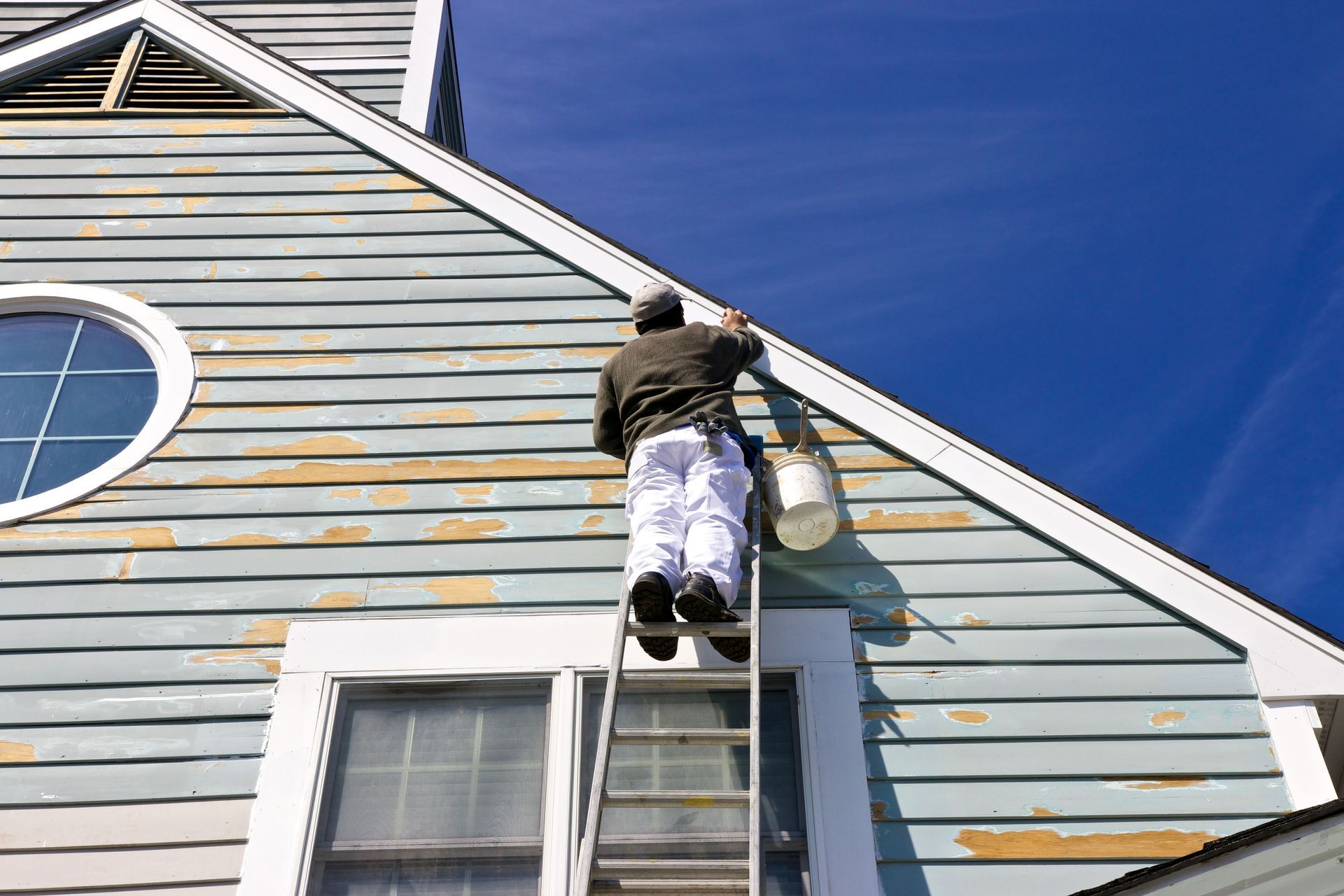
Beyond basic cleaning, repairing structural defects is vital for achieving a lasting result. Cracks, holes, and peeling patches from previous applications will compromise the fresh layers if left ignored. Applying durable fillers and appropriate patching compounds fixes these imperfections, creating a uniform canvas for the new coat. Skipping these repairs leaves your home vulnerable to moisture intrusion, which can destroy your hard work from the inside out.
Allowing sufficient drying time between cleaning and coating is another critical step that requires patience. Rushing to paint a damp surface traps moisture under the layer, causing bubbles and premature peeling. You must also remember to apply a high-quality primer across the repaired areas before moving forward. Primer acts as a necessary bonding agent, sealing porous materials and ensuring the topcoat adheres perfectly for many years to come.
Select Your Materials Wisely
Choosing the wrong type of product for exterior painting can ruin your entire investment before you even finish. Different substrates like wood, stucco, vinyl, and fiber cement require specific formulas to ensure proper adhesion and expansion. Using incompatible products leads to flaking and cracking as the seasonal temperatures fluctuate. Taking time to research which specific formulas match your home's unique siding materials ensures a durable, beautiful finish.
Paint quality should always take precedence over saving a few dollars at the home improvement store. Cheap paints often lack the necessary pigments and binders, requiring multiple extra coats and fading much faster under the sun. High-quality options provide superior coverage, resist UV damage, and withstand harsh weather conditions. Investing in premium products upfront significantly reduces long-term maintenance costs and keeps your property looking vibrant.
Selecting the appropriate paint sheen is another critical design and functional decision that homeowners must weigh. While flat finishes hide surface imperfections well, they are harder to clean and less durable than glossier options. Satin and eggshell finishes are popular choices for siding because they balance washability with a subtle, attractive glow. According to HomeGuide, investing in the exterior of your property can require up to 25% more funding than tackling an interior paint job.
Apply Your Coatings Correctly
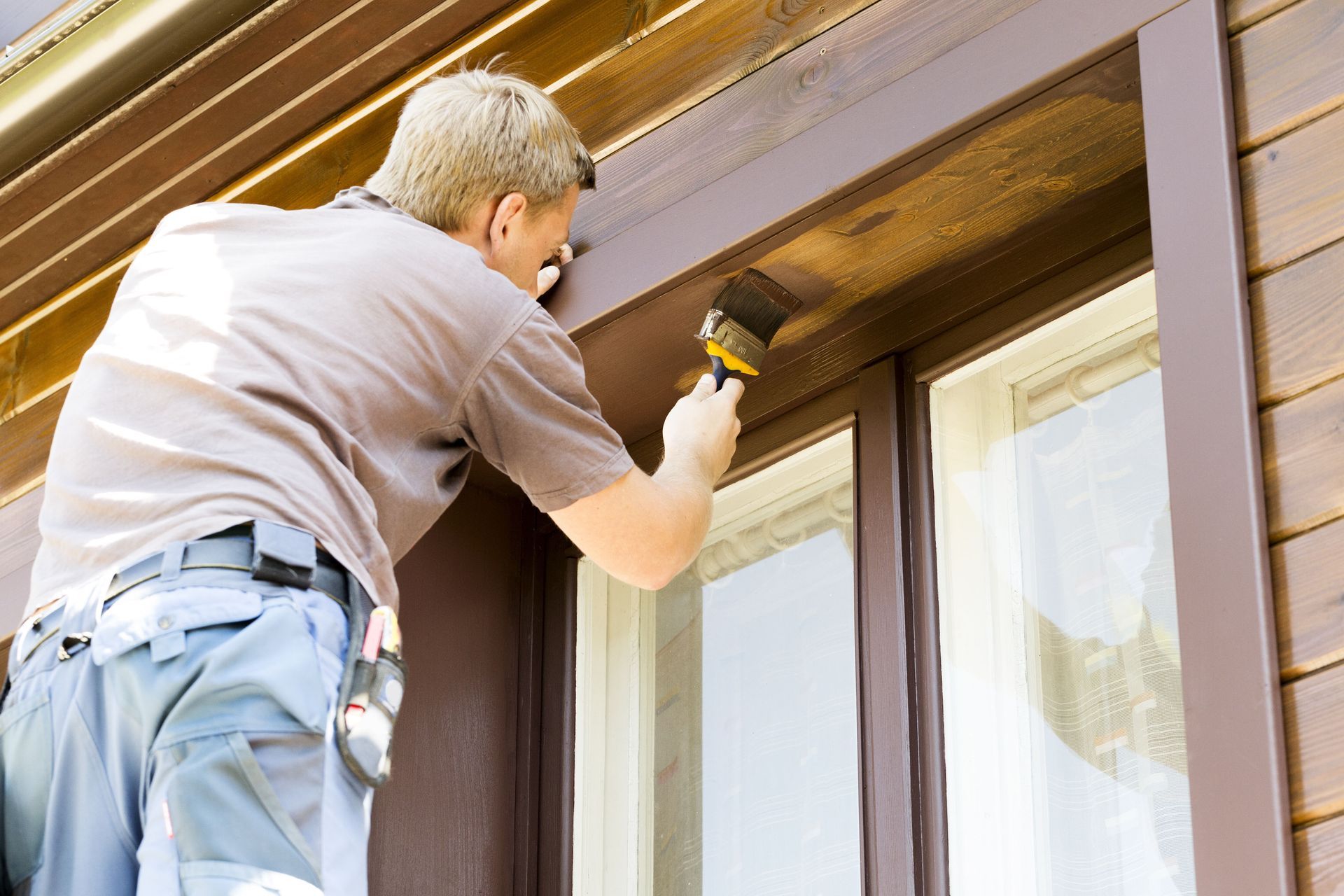
Using the wrong application tools during exterior painting can quickly turn a straightforward project into an uneven, streaky mess. Cheap brushes shed bristles into the wet coating, while incorrect roller naps result in patchy coverage on textured walls. Utilizing professional-grade equipment suited for your specific paint type guarantees a smooth, uniform application. High-quality tools also hold more product, allowing you to work more efficiently and achieve cleaner edges.
Maintaining control over layer thickness prevents common issues such as running, sagging, and cracking over time. Applying coats too heavily leads to unsightly drips and extended drying windows, while thin coats fail to offer adequate protection. Following the manufacturer’s coverage recommendations ensures optimal film thickness for maximum durability. Taking a balanced approach with multiple thin, even coats yields a far superior result compared to a single thick layer.
Mastering proper blending techniques is essential for avoiding noticeable overlap marks and color variations. Experienced painters always work in small sections and maintain a wet edge to seamlessly blend new brushstrokes with previous ones. Creating a clear sectioning plan before starting keeps your workflow organized and prevents the coating from drying too quickly in patches. This methodical approach ensures a uniform appearance across the entire structure.
Monitor Your Weather Constantly
Neglecting atmospheric conditions can destroy a fresh application and ruin days of hard work. Working during extreme heat causes the product to dry too quickly, preventing it from leveling out and leading to brush marks. Conversely, chilly conditions stop the coating from curing correctly, leaving it soft and vulnerable to damage. Monitoring local temperature trends helps you choose the perfect window for a successful exterior painting project.
High humidity poses another significant threat to your project's longevity and overall visual appeal. Excess moisture in the air extends drying times significantly and can trap water vapor beneath the surface. This trapped moisture often manifests as blisters or a hazy, milky finish once the coating finally dries. Planning your work during dry, low-humidity periods ensures that each layer cures exactly as the manufacturer intended.
Wind and airborne debris can easily ruin a freshly coated wall within a matter of minutes. Strong gusts carry dust, insects, and loose leaves straight onto your wet surface, creating an unwanted textured effect. It is wise to check detailed forecasts and select calm days to avoid these environmental hazards. Protecting your wet surfaces from sudden downpours right after application safeguards your hard work and prevents washouts.
Plan Your Project Safely
Underestimating the pure physical labor and time required is a widespread pitfall for homeowners. A comprehensive exterior painting job involves hours of tedious ladder work, scraping, and detailed taping before application even begins. Failing to manage your time realistically often results in rushed work during the final stages, which compromises quality. Creating a detailed schedule helps keep your project on track from start to finish.
Safety precautions must remain a top priority throughout every phase of your home improvement project. Working on tall extension ladders requires stable ground, proper angles, and constant awareness to prevent dangerous falls. Wearing appropriate personal protective equipment, including safety glasses and respiratory masks, shields you from harmful dust and strong chemical fumes. Taking these vital precautions ensures your home improvement project remains completely accident-free.
Budgeting accurately for all necessary materials, equipment rentals, and safety gear prevents unexpected mid-project delays. Many people forget to account for the cost of quality drop cloths, painter's tape, and specialized cleaning agents. Leaving room in your budget for unexpected minor structural repairs ensures you can fix issues properly rather than covering them up. A well-planned budget provides peace of mind as your project progresses smoothly.
Avoiding these major errors ensures your next home improvement project delivers stunning, long-lasting results. Taking the time to prepare surfaces, select premium materials, and monitor weather conditions will protect your property for years. When the scope of an exterior painting project feels overwhelming, partnering with experienced professionals can save you time and stress. We invite you to reach out to Clean Cut Painters LLC today so we can deliver the flawless, high-quality finish your home deserves.