November 4, 2026
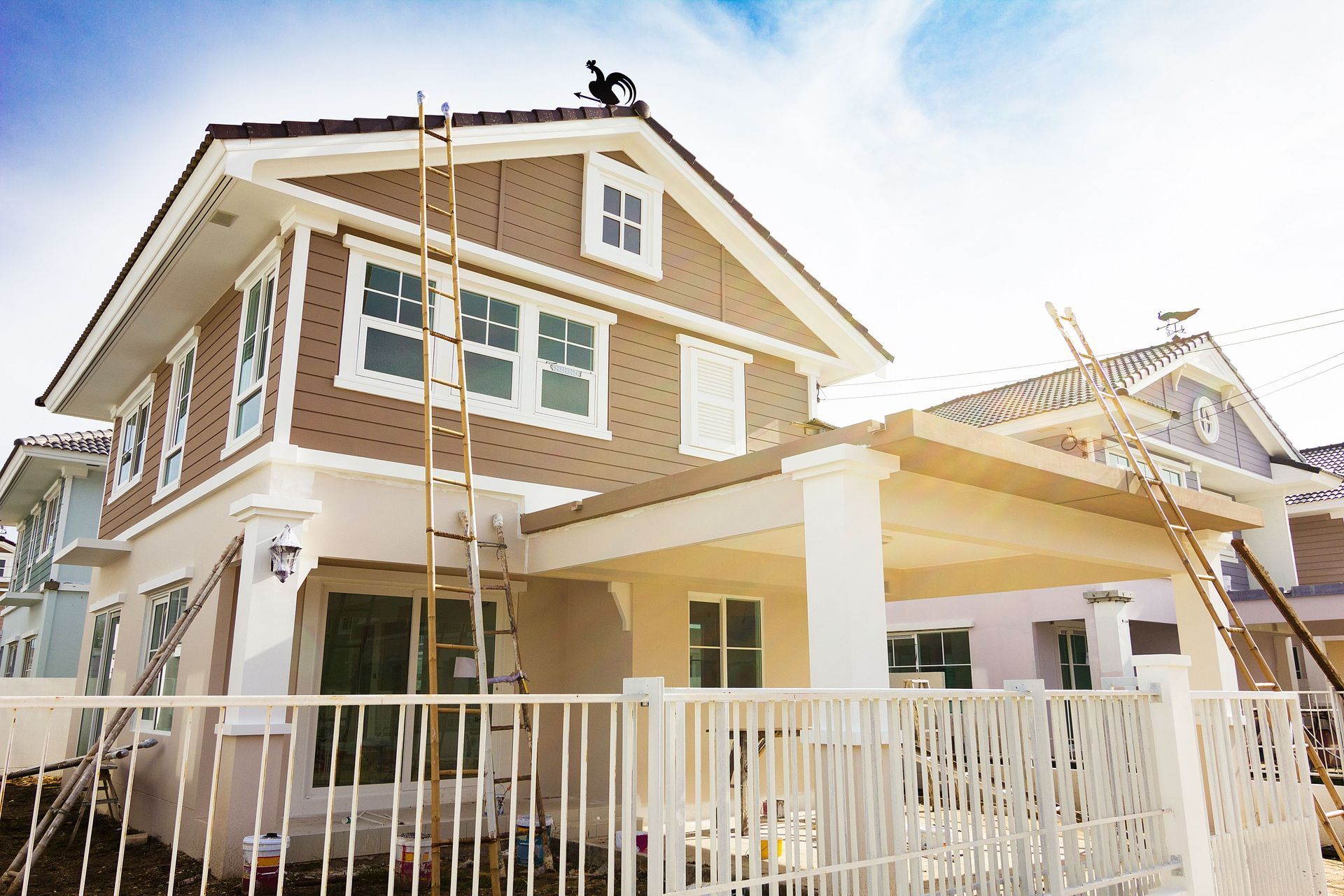
Choosing a new color for your home's exterior can transform its appearance, highlight architectural details, and create a welcoming first impression. Color trends continue to evolve as homeowners look for shades that complement their surroundings while reflecting their personal style. From warm neutrals to deeper natural tones, today's options offer plenty of opportunities to refresh a property's appearance. Planning an exterior painting project involves more than selecting a color that looks attractive on a sample card. Factors such as architectural style, roof color, landscaping, natural lighting, and the surrounding neighborhood can all influence the final result. Homeowners should also consider how different shades may look throughout the day as sunlight changes. Selecting a suitable palette can help create a balanced appearance that remains appealing beyond current trends. With thoughtful planning and professional preparation, a fresh coat of paint can help homeowners update their property and protect exterior surfaces.
Choosing Warm and Versatile Neutral Colors
Neutral shades remain popular because they provide a flexible foundation for a wide range of architectural styles. Colors such as beige, cream, taupe, and warm gray can complement traditional homes as well as more contemporary designs. According to Houzz, beige became the most popular exterior wall color among surveyed homeowners renovating their outdoor spaces, rising from 10% to 24%. This shift reflects growing interest in warm, adaptable shades that create a welcoming appearance. Beige can pair well with white trim, dark window frames, natural stone, and wooden accents. Cream offers a softer alternative for homeowners who want a bright exterior without the starkness of pure white. Taupe can introduce additional depth while maintaining a neutral overall palette. When planning exterior painting, homeowners should compare samples against permanent features such as roofing, masonry, and walkways to ensure the selected shade creates a cohesive result.
Embracing Earthy and Nature-Inspired Shades
Earth-inspired colors offer a way to connect a home's appearance with its surrounding landscape. Muted greens, clay tones, warm browns, and subdued olive shades can complement gardens, mature trees, and natural stone features. These colors may be particularly appealing to homeowners who prefer an understated look rather than a dramatic contrast. Sage green, for example, can create a calm appearance when paired with cream trim and natural wood accents. Terracotta-inspired shades may work well on homes with Mediterranean or Southwestern influences. Darker earthy colors can provide a rich appearance, although their suitability depends on the architecture and surrounding environment. Before settling on a shade, homeowners should test paint samples on different sides of the house to see how changing light affects the color. A well-chosen earthy palette can give the property a grounded, harmonious appearance while allowing landscaping to remain an important visual feature.
Using White for a Clean and Timeless Look
White remains a versatile exterior color because it can make architectural features stand out and create a crisp, orderly appearance. Different variations, including warm white, ivory, and cooler white, offer distinct effects depending on the home's design. A warmer shade may complement brick, stone, and wood, while a cooler white can work with contemporary materials and clean geometric lines. White siding can also provide a striking backdrop for dark shutters, colorful front doors, and carefully maintained landscaping. However, homeowners should consider the surrounding environment when selecting a particular finish. Dust, pollen, mud splashes, and other outdoor debris may be more noticeable on very light surfaces. The type of siding and its existing condition can also influence how evenly the paint appears once applied. Professional preparation and the selection of suitable exterior products can help create a consistent finish that maintains its appearance over time.
Adding Contrast With Dark Exterior Accents
Dark accents can introduce definition and visual interest without requiring the entire house to be painted a deep color. Charcoal, black, navy, and dark brown are common options for shutters, doors, window frames, railings, and selected architectural details. These shades can create contrast against lighter siding and help emphasize the shape of windows or entryways. For example, a warm beige exterior paired with charcoal trim can appear modern while retaining a welcoming overall character. Navy accents can provide a classic appearance, particularly when combined with white or pale gray siding. Homeowners should avoid adding too many competing colors, as excessive contrast can make the exterior feel visually cluttered. It is also important to consider the home's roof and permanent features before choosing a dark accent. A carefully balanced color scheme can highlight distinctive architectural details while keeping the overall design coordinated.
Exploring Blue and Green Exterior Palettes
Blue and green shades provide alternatives for homeowners who want more color than traditional neutrals offer. Soft blue-gray can create a relaxed appearance, while deeper navy can give a home a more formal and defined character. Muted greens can blend naturally with landscaping and work well alongside stone, brick, or wood details. During exterior painting, the relationship between the main wall color and the trim should be considered as part of the complete palette. A pale blue exterior might pair well with white trim and a natural wood front door, while a muted green may complement cream accents. The home's architectural style can help determine whether a subdued or more saturated shade is appropriate. Homeowners should also consider how the color will look beside neighboring properties and across different seasons. Testing samples in natural light helps reveal undertones that may not be obvious indoors or on a small paint chip.
Matching Colors With Architectural Features
A successful exterior color scheme works with the home's existing materials rather than competing with them. Roof shingles, brickwork, stone veneer, concrete, and metal features often contain undertones that can influence which paint colors look best. For example, a roof with warm brown tones may coordinate more naturally with cream or beige than with a cool gray. Homes with red brick may benefit from complementary neutrals that allow the masonry to remain a prominent feature. Modern properties with simple lines can sometimes accommodate stronger contrasts, while ornate or traditional homes may look more balanced with softer combinations. Homeowners should also consider the visual relationship between siding, trim, shutters, and the front door. Limiting the palette to a few coordinated colors can create a more unified appearance. Careful coordination helps ensure the finished design feels intentional and complements the property's defining features.
Prioritizing Quality Preparation and Finish
Even the most attractive color choice can disappoint if the surface is not properly prepared before painting. Exterior walls may require cleaning, scraping, sanding, caulking, or repairs to address peeling paint and damaged areas. The appropriate preparation depends on the existing surface, the condition of the current coating, and the type of material being painted. Homeowners should also consider the finish because different sheens affect how color and surface texture appear. A suitable exterior paint must be selected for the specific siding or trim and the environmental conditions it will face. Professional painters can help identify preparation needs and recommend products appropriate for the project. Weather conditions and manufacturer instructions also influence when paint should be applied and how long it needs to dry. Combining a thoughtful color selection with careful workmanship can help create a durable, attractive result.
Updating your home's exterior is an opportunity to improve curb appeal and choose colors that reflect your style. Whether you prefer warm neutrals, nature-inspired shades, crisp whites, or bold accents, the best palette should complement your home's architecture and existing materials. Careful sample testing and proper surface preparation can help prevent disappointing results and support a more consistent finish. Clean Cut Painters LLC can help you explore your exterior painting options and plan an update that suits your property. Consider the colors that best complement your roof, trim, landscaping, and architectural features before making a final selection. Contact us to discuss your project and take the next step toward a refreshed, attractive home exterior.